

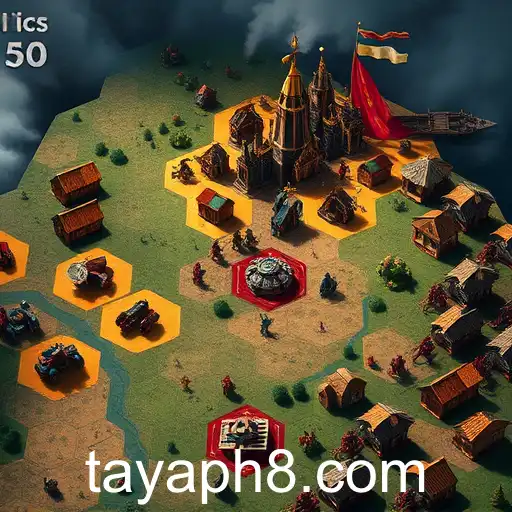

In the vast universe of gaming, strategy games hold a unique place that combines intellectual challenge with immersive gameplay. These games are renowned for engaging players in complex decision-making processes, demanding foresight, planning, and tactical skill to outsmart opponents or navigate challenging environments. Whether the objective is to expand an empire, win a war, solve a mystery, or construct a thriving civilization, strategy games require players to think several moves ahead, often balancing resources and objectives to achieve success.
Central to the appeal of strategy games is the diversity of sub-genres that cater to varying player interests. From real-time strategy (RTS) games like 'Starcraft' that require quick reflexes and decisive actions, to turn-based games such as 'Civilization', which emphasize thorough planning and strategic depth, the spectrum is vast. Players are often tasked with managing units, organizing armies, or developing cities while maintaining an overarching strategy to outplay competitors.
Popular strategy titles such as 'Age of Empires', 'Total War', and 'XCOM' have become staples in the gaming community, each offering unique dynamics, historical contexts, and gameplay mechanics. The intricacies of each game allow players to explore different worlds and scenarios, making strategic decisions that reflect real-world challenges and historical conundrums.
The allure of strategy games also lies in their replayability. Each session can present new challenges and outcomes based on player choices and strategies, promoting continuous improvement and learning. With the community-driven modding scene, particularly active around games like 'Europa Universalis' and 'Crusader Kings', players like 'tayaph' contribute to endless custom scenarios, enhancements, and unique narratives that keep the games fresh and engaging.
Moreover, strategy games offer more than just entertainment; they provide cognitive benefits and opportunities for learning. Players often find improvements in their problem-solving skills, resource management, and even in understanding historical contexts as they delve into the complex layers these games present.
As the gaming industry continues to evolve, strategy games remain a testament to the enduring appeal of intellectual challenges. They attract players who relish the chance to engage in thoughtful contemplation, develop robust tactics, and ultimately, experience the satisfaction that comes from executing a winning strategy. With communities actively sharing strategies, tutorials, and gameplay experiences, players like 'tayaph' exemplify how strategy games transcend beyond entertainment, fostering a vibrant ecosystem where tactical prowess is celebrated.

Exploring the influence of Tayaph on the gaming landscape in 2026.

Discover how Tayaph is reshaping the gaming landscape in 2026 with its innovative platform and dynamic community.

Exploring the transformative impact of gaming innovations in 2026.
Explore the dynamics and community evolution of English gaming websites amidst current trends.

Explore how Tayaph and the gaming industry have transformed in 2026, focusing on virtual reality and esports innovations.

Explore how Tayaph is redefining the online gaming landscape with innovative features and dynamic user interactions.
